Table of Contents (13 sections)
Creating a pet-friendly community network is essential for fostering inclusive environments for both pets and their owners. This article provides actionable insights on how to effectively enhance the sense of community around pets, ensuring everyone feels welcome, engaged, and valued.
1. Understand the Needs of Pet Owners
To build an effective pet-friendly community network, start by understanding the diverse needs of pet owners. This includes knowing the types of pets that are common in your community, the infrastructure required for pet care, and the concerns owners may have regarding safety and access to pet facilities. Conduct surveys or engage in conversations during community meetings to gather insights. For example, local pet owners might express the need for more dog parks or pet-friendly cafes. Moreover, fostering communication through social media platforms can help owners voice their needs more conveniently.
2. Create Pet-Friendly Spaces
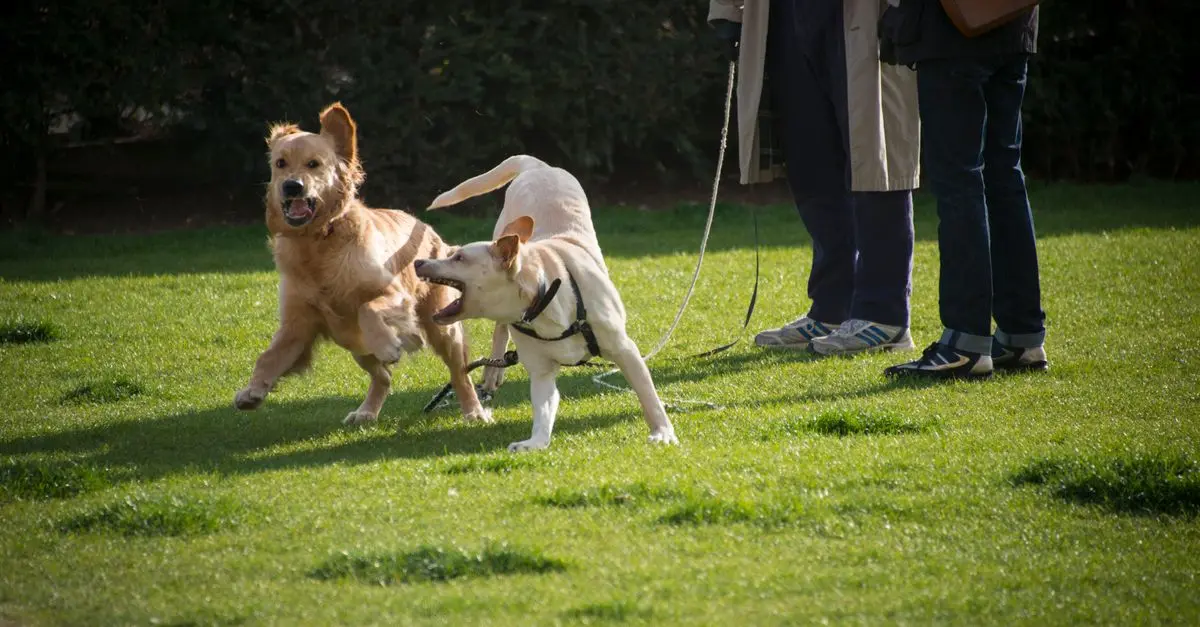
Establishing designated areas for pets is crucial. Collaborating with local government, community centers, and parks can facilitate this process. This may include opening up parks to pets, creating a community dog park, or allowing pets in specific cafés and shops. Based on a 2025 report from Pet Industry Distributors Association, nearly 78% of pet owners agree that pet-friendly spaces significantly enhance their community's vibrancy. Implementing features such as agility parks or pet-friendly benches encourages socialization among pets and their owners, fostering community connections.
3. Organize Community Events
Events such as pet fairs, dog walks, or adoption drives encourage community participation. By organizing these activities, residents will have opportunities to meet, interact, and share experiences related to pet ownership. For instance, partnering with local shelters for adoption events not only brings visibility to their cause but also promotes responsible pet ownership. Not to mention, these events can include informative sessions on pet health and safety that empower owners with knowledge.
4. Engage Local Businesses
Invite local businesses to participate in the pet-friendly initiative by offering discounts to pet owners or hosting events centered around pets. Collaboration with businesses like groomers, veterinary clinics, and pet supply stores can create an ecosystem that supports pet owners. According to American Pet Products Association, the pet industry is expected to reach $123 billion in 2027, showing that there is significant economic potential in fostering such networks. This engagement not only boosts local businesses but also enhances community bonding.
5. Leverage Social Media and Technology
Build an online platform or social media page dedicated to the pet community in your area. This should be a space where pet owners can share tips, organize walks, or even seek help for pet-related concerns. Apps like BarkBuddy can complement such networks by connecting pet owners to one another. Promoting engaging content, such as local pet photos or trending topics about pet health, will keep users engaged. Statistics published by HubSpot show that engaging on social media leads to increased community morale.
6. Form Pet Owner Associations
Establishing groups or associations specifically for pet owners can create a more structured network. These associations can act as a voice for pet owners, addressing issues such as pet policies, community regulations, and safety laws. Moreover, regular meetings can be organized to discuss local pet concerns, updates, or even host guest speakers from local veterinary clinics or animal welfare organizations to provide valuable information.
7. Ensure Inclusivity
Ensure that your pet-friendly community network is inclusive to all pet types and sizes. Encourage participation from owners of various animals, including cats, rabbits, and exotic pets. Hosting events like “Pet Meet & Greet” allows different types of pets to mingle in a supervised environment, fostering acceptance and camaraderie among diverse pet owners. Use surveys to gauge the interests of all pet owners to ensure that everyone feels included and represented.
8. Promote Responsible Pet Ownership
Educate community members about the responsibilities that come with pet ownership. Organizing workshops that cover basic pet care, training, and the importance of spaying/neutering can help foster a responsible pet-loving community. According to a 2025 study by American Veterinary Medical Association, educating pet owners significantly reduces instances of abandonment and neglect, bolstering community health.
📺 Resource Video
> For further exploration: Learn about the importance of creating a pet-friendly community network, a comprehensive guide on fostering relationships among pet owners. Search on YouTube: building a pet-friendly community network.
Glossary
| Term | Definition |
|---|---|
| Pet-Friendly | A term used to describe a environment that welcomes pets and accommodates their needs. |
| Community Engagement | The process of involving the audience in community initiatives and fostering a sense of belonging. |
| Responsible Pet Ownership | The commitment of pet owners to properly care for and manage their pets' health, safety, and behavior. |
Checklist before starting your network
- [ ] Conduct surveys to understand pet owner needs
- [ ] Identify potential pet-friendly spaces
- [ ] Organize community events focusing on pets
- [ ] Partner with local businesses for support
- [ ] Create an engaging online platform
- [ ] Establish a pet owner association
- [ ] Include diverse pet types in events
- [ ] Provide educational resources for responsible ownership
🧠 Quick Quiz
> What is the primary goal of a pet-friendly community network?
> - A) To provide pet health services
> - B) To enhance connections among pet owners
> - C) To promote pet adoption
> Answer: B — The main goal is to foster connections and support among pet owners.
In conclusion, by implementing strategic initiatives, communities can create a vibrant and inclusive atmosphere for both pets and their owners. Engaging residents through events, forming associations, and leveraging technology will ultimately fortify your pet-friendly community network.
📺 Pour aller plus loin : Adorable Puppy Welcomes Kid Home From School! sur YouTube