Table of Contents (17 sections)
Understanding a Pet-Friendly Community
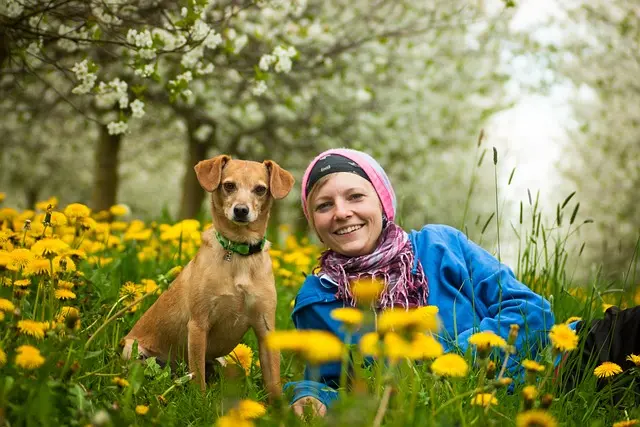
A pet-friendly community is a neighborhood that embraces the needs and comforts of pets and their owners. This concept not only aims to provide welcoming public spaces but also fosters social connections among residents who share a love for animals. Such communities enhance the overall quality of life by integrating features like parks, pet events, and local businesses catering to pet owners.
In recent years, there has been a notable increase in pet ownership, with a 67% household rate in the United States, according to the American Pet Products Association. Engaging with this demographic can translate into stronger community ties and increased local business patronage. Initiating a pet-friendly community program not only shows compassion for animals but can also enhance community satisfaction and property values.
Step 1: Assess Community Needs
The first step in building a pet-friendly community is understanding the specific needs of pet owners and their pets. Start by conducting surveys within your community. Questions should address concerns like availability of pet parks, pet-friendly businesses, and community interest in pet-related events.
For example, if 70% of respondents indicate they would use a local dog park, this provides a clear direction for planning. Consider using local social media groups or neighborhood apps to reach a wider audience. Data from the surveys can provide insight not just into desires, but also into potential challenges, such as zoning issues or noise concerns.
Make sure to also engage non-pet owners to assess any concerns they may have about potential developments. This way, you can create spaces that consider the comfort and needs of all community members.
Step 2: Gain Community Support
Once you’ve assessed the needs, rallying community support is essential. Organize meetings to present the survey findings. Use local leaders, such as community board members or business owners, to endorse your initiative. This can increase credibility and encourage participation.
Consider creating a small committee of pet owners and non-pet owners alike to brainstorm ideas and outline a plan. Engaging local businesses can also be a valuable asset; many are willing to sponsor events or donate resources. Create marketing materials outlining the benefits of a pet-friendly community, which may include increased foot traffic for local shops and enhanced community appeal.
Pro Tip:
Leverage community events, such as farmer's markets or festivals, to introduce your plans and gain momentum.
Step 3: Design Pet-Friendly Spaces
Designing pet-friendly spaces is where your community's vision comes to life. Think about venues like parks where pets can play freely. Ensure these spaces have amenities such as benches for pet owners, water stations, and poop stations.
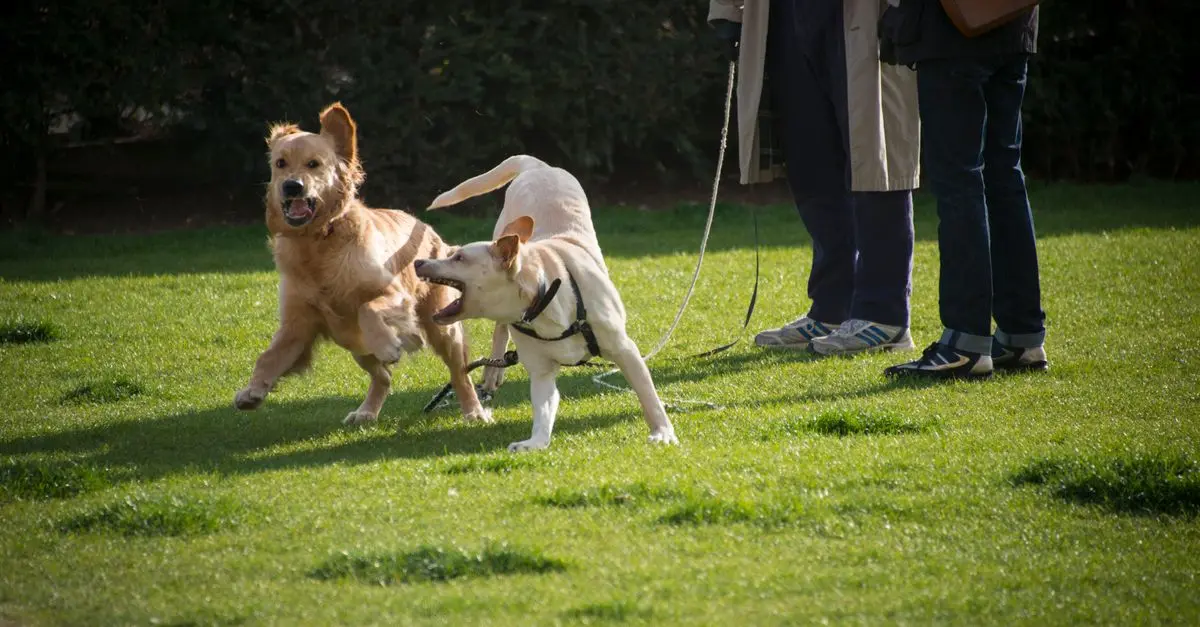
A community dog park should feature different zones for various types of pets and activities. For instance, small dogs may require a separate area from larger breeds for safety and comfort. Incorporating agility equipment can make these spaces even more engaging. Consider using native plants and trees for landscaping, as they support the local environment and create a welcoming atmosphere.
Public spaces should also be designed with the possibility of hosting pet-centric events, such as adoption days or community pet-nights. An area that can double as an event space can maximize utility and strengthen community ties through regular gatherings.
Step 4: Organize Community Events
Community events are crucial for fostering a sense of belonging among pet owners. Organize Paw-tastic Festivals, where pets can partake in fun contests, owner-and-pet games, or educational sessions on responsible pet ownership.
Hosting outdoor movie nights featuring pet-related films can gather families and their pets in a relaxed environment. Further, consider partnerships with local veterinarians for workshops on pet care and health. These activities facilitate bonding and create social networks among members, solidifying the sense of a pet-friendly community.
Statistics to Note:
According to a survey by Pet360, 86% of pet owners find community gatherings with pets highly enjoyable and fulfilling. Capitalizing on this statistic can help ensure that planned events have strong attendance and engagement.
Step 5: Promote Responsible Pet Ownership
While creating a welcoming environment is essential, promoting responsible pet ownership remains equally important. Integrating educational programs can guide pet owners on best practices, such as training, leash laws, and cleaning up after their pets.
For example, setting up partnerships with local animal shelters can facilitate outreach programs that include spay/neuter clinics or training classes. Informational flyers can also be distributed throughout the community. Utilizing social media channels to highlight responsible pet ownership success stories can serve as motivational reinforcement.
Pro Tip:
Engaging local schools with programs that involve children in caring for pets can evoke empathy and responsibility, building a future generation of conscientious pet owners.
Checklist for Building a Pet-Friendly Community
- [ ] Conduct community needs assessment survey
- [ ] Form a community committee of pet and non-pet owners
- [ ] Designate and plan pet-friendly spaces
- [ ] Schedule regular community engagement events
- [ ] Promote responsible pet ownership through education
Glossary
| Term | Definition |
|---|---|
| Pet-Friendly Community | A neighborhood designed to accommodate pets and their owners, featuring parks, events, and pet services. |
| Agility Equipment | Structures or devices designed for training and exercise for pets, enhancing engagement and physical health. |
| Responsible Pet Ownership | Practices that promote the health and well-being of pets and the community, including training and cleanliness. |
What defines a pet-friendly community?
A pet-friendly community is one that incorporates amenities and resources for pets and their owners, ensuring a welcoming environment for all.
How can I get involved in making my community pet-friendly?
Engage with local leaders, attend community meetings, and express your intent to contribute ideas and resources towards creating pet-friendly initiatives.
What types of events can be organized for pets?
Consider holding pet fairs, training workshops, or pet parades that can strengthen community ties and promote responsible pet ownership.
What should be included in the design of pet-friendly spaces?
Pet-friendly spaces should have separate zones for different dog sizes, benches for owners, water stations, and suitable landscaping.
📺 For more insights: Check out our video on creating pet-friendly spaces, designed to provide additional tips on engaging pet owners. Search on YouTube:
creating a pet-friendly community.
📺 Pour aller plus loin : creating a pet-friendly community sur YouTube