Table of Contents (19 sections)
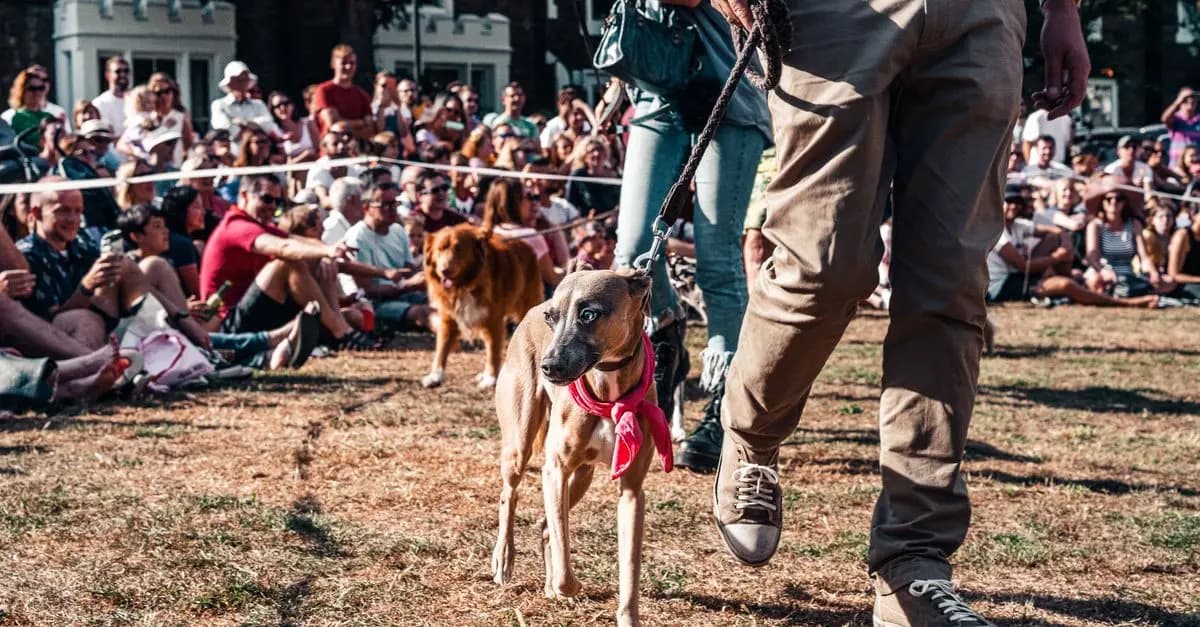
Creating pet-friendly community events is a fantastic way to bring together pet lovers and promote a stronger sense of community. Pet-friendly community events not only celebrate our furry friends but also foster social connections among pet owners and their advocates. In this guide, we will explore a comprehensive, step-by-step approach to planning and executing successful events that everyone can enjoy.
1. Define Your Goals and Audience
Before planning any event, it's essential to define your goals and understand your audience. Are you looking to create a social gathering, raise awareness about pet adoption, or fundraise for a local animal shelter? Establishing clear objectives will help guide your decisions and set benchmarks for success.
Additionally, consider your target audience. Are they families with children, single pet owners, or seniors? Each group may have different preferences for event activities, timing, and communication. Understanding these nuances will allow you to craft an experience that appeals to everyone. According to a survey by the Humane Society, 68% of American households own a pet, which emphasizes the importance of tailoring events to foster inclusivity for all pet owners.
Tips:
- Conduct informal surveys within your community to gauge interest and expectations.
- Join local pet owner groups on social media to gather feedback and ideas.
2. Set a Budget
Once you have your goals and audience defined, the next crucial step is to set a budget. This involves estimating costs associated with the venue, permits, supplies, advertising, and any additional amenities like food or entertainment. Outline your funding sources, such as sponsors, ticket sales, or local businesses that may provide in-kind donations.
It's essential to create a buffer for unexpected expenses; many event planners recommend allocating 10-20% of your budget for contingencies. According to research by Eventbrite, budget constraints are among the top challenges faced in event planning, making this step crucial for a smooth execution.
Checklist:
- Identify all potential costs and create a comprehensive budget spreadsheet.
- Determine how much you need to charge for tickets (if applicable) to cover costs.


3. Choose the Right Venue
Selecting a suitable venue is critical for the success of your event. Look for locations that are pet-friendly and provide adequate space for both pets and attendees. Whether it’s a local park, community center, or pet store, the venue should allow for easy access, room to roam, and safety for all involved.
Considerations when selecting a venue:
- Is it easily accessible by public transportation?
- Does it have adequate parking for guests and pets?
- Are there nearby amenities like restrooms and trash disposal?
It's also wise to check if there are any permits or insurance requirements necessary for your location. According to the American Pet Products Association, the viability of your venue can directly impact the turnout of your event, with adequate space and resources correlating to higher engagement.
Pro Tips:
- Visit the venue before finalizing to see if it meets your expectations.
- Discuss all rules regarding pets with the venue owner to avoid any issues on the day of the event.
4. Plan Engaging Activities
The heart of any successful community event is engaging activities. For pet-friendly community events, consider games and contests specifically for pets and their owners. Ideas might include:
- Best costume contest
- Agility challenges
- Pet trick competitions
- Photo booths with fun props
Engagement also extends to food and beverages. Providing pet-friendly treats and human food options can enhance the experience significantly. It might surprise you that many attendees appreciate a wide variety of options, including vegan and gluten-free choices.
Examples:
- Collaboration with local pet shops to give away pet food samples.
- Partner with a local bakery for special pet treats.
5. Promote Your Event
Promotion is key to attracting attendees. Utilize social media platforms, community bulletins, and local newspapers to spread the word about your pet-friendly event. Create engaging graphics and posts that highlight exciting activities, sponsors, and any guest appearances. Consider leveraging influencers or pet bloggers who can help amplify your message.
Analyze your channels; different demographics may respond better to specific platforms. For example, Instagram and Facebook tend to be more effective for visual content, especially with pets!
Effective Strategies:
- Create a Facebook event page and invite interested members.
- Implement a hashtag for your event to encourage attendees to share their experiences.
6. Execute the Event
On the day of your event, ensure that everything is set up well in advance. Arrive early with your team to set up tables, decorations, and areas for activities. Make sure that responsible adults are available to oversee pets at play and enforce rules for a safe event.
Consider having a first aid kit on hand, and familiarity with basic pet care can be beneficial. Post signs indicating areas for waste disposal and first aid stations to enhance the guest experience.
Final Checks:
- Confirm all vendors are set and ready, including food, activities, and entertainment.
- Have a designated team to handle any emergencies or questions from attendees.
7. Gather Feedback and Reflect
After the event, take the time to evaluate its success by gathering feedback from attendees. You can create a simple survey to understand what worked well and what could be improved. Reflect on your goals: Did you meet your objectives for attendance, engagement, or fundraising? Use this information to refine your planning process for future events.
Survey Questions:
- What was your favorite activity?
- How did you hear about the event?
- What improvements would you suggest?
💡 Expert Opinion: According to the National Association of Professional Pet Sitters, learning from past events is crucial for enhancing future programming and growing community engagement.
Checklist for Organizing Pet-Friendly Events
- [ ] Define goals and audience.
- [ ] Set a comprehensive budget.
- [ ] Choose a pet-friendly venue.
- [ ] Plan engaging activities for pets and owners.
- [ ] Promote effectively on multiple platforms.
- [ ] Execute with a reliable team.
- [ ] Gather feedback for future events.
Glossary
| Term | Definition |
|---|---|
| Pet-Friendly | An environment that accommodates pets comfortably and safely. |
| Engagement | The interaction and involvement participants have during an event. |
| Budgeting | The process of estimating and allocating financial resources for an event. |
📺 Resource Video
> 📺 For further insights: Check out event planning tips on YouTube. Search: “How to create a pet-friendly community event.”
🧠 Quick Quiz
> Quick Quiz: What is the most important aspect of organizing a community event?
> - A) Venue selection
> - B) Food options
> - C) Defining the audience
> Answer: C — Understanding your audience is crucial for tailoring the event to their interests.
Organizing a pet-friendly community event is a rewarding experience that not only enhances community bonds but also advocates for pet welfare. By following these steps, you can create dynamic gatherings that pet lovers will cherish. So, get started planning your next gathering, and don't forget to check out our recommendations below for products that can help enhance your event experience!
📺 Pour aller plus loin : how to create pet-friendly community events 2026 sur YouTube
Recommended products
Selected by our experts
Sia Benefit Community Drolessano 30comp
DocMorris FR (ex DoctiPharma FR)
This product provides excellent supplements for pets, ensuring their wellbeing during events.
Figurine Pop! N°841 - Community - Shirley Bennett
Darty FR
These collectibles are great for event prizes or to promote local businesses within the community.
Figurine Pop! N°837 - Community - Jeff Winger
Darty FR
Engaging pet-themed collectibles like this can be perfect for giveaways or draws at your event.