Table of Contents (12 sections)
Creating community pet-friendly events can be an enriching experience for both pet owners and the community. These gatherings foster a sense of belonging, promote responsible pet ownership, and create fun social interactions. This guide will provide you with a step-by-step approach to successfully organizing these types of events in your area.
1. Identify Your Goals and Objectives
First, determine why you want to organize these events. Understanding your motivations will guide the planning process and help measure success. Common goals include:
- Building a community: Strengthening local ties and networks among pet owners.
- Promoting animal welfare: Encouraging responsible pet ownership and possibly supporting local shelters.
- Providing a recreational platform: Creating a venue where pets can socialize and engage in activities.
Knowing your goals helps define the event’s structure, target audience, and promotional strategy. For instance, if your purpose is to promote adoption, collaborating with a local animal shelter can enhance credibility and attract attendees. Additionally, specific goals help in evaluating the event’s success, such as measuring attendance or collecting feedback from participants.
2. Choose a Suitable Location
The venue is crucial for the success of your community pet-friendly events. Consider the following factors when selecting a location:
- Space: Ensure it can accommodate the number of expected attendees and their pets comfortably.
- Accessibility: Choose a location that is easily reachable for most participants. Parking spaces should also be ample, and consider accessibility for those with mobility issues.
- Amenities: Look for features such as water stations for pets, shaded areas, and waste disposal stations.
- Safety: Ensure the area is safe for pets to roam, with secure fencing and adequate distance from busy roads.
A park or community center may serve as an ideal venue. According to a survey conducted by the American Veterinary Medical Association, nearly 56% of pet owners prefer venues that offer open spaces for pets to play. Your choice should align with your event’s goals, enhancing the overall experience for participants.
3. Plan Engaging Activities
A successful pet-friendly event should include a variety of engaging activities that cater to both pets and their owners:
- Pet Contests: Organizing contests like “Best in Show” or “Cutest Costume” can attract many attendees and create a fun atmosphere.
- Agility Courses: Setting up mini agility courses provides entertainment and can promote interaction.
- Workshops and Seminars: Invite local experts to conduct sessions on pet training, health, or nutrition, adding educational value to your event.
- Social Areas: Designate zones for socialization among pets and their owners.
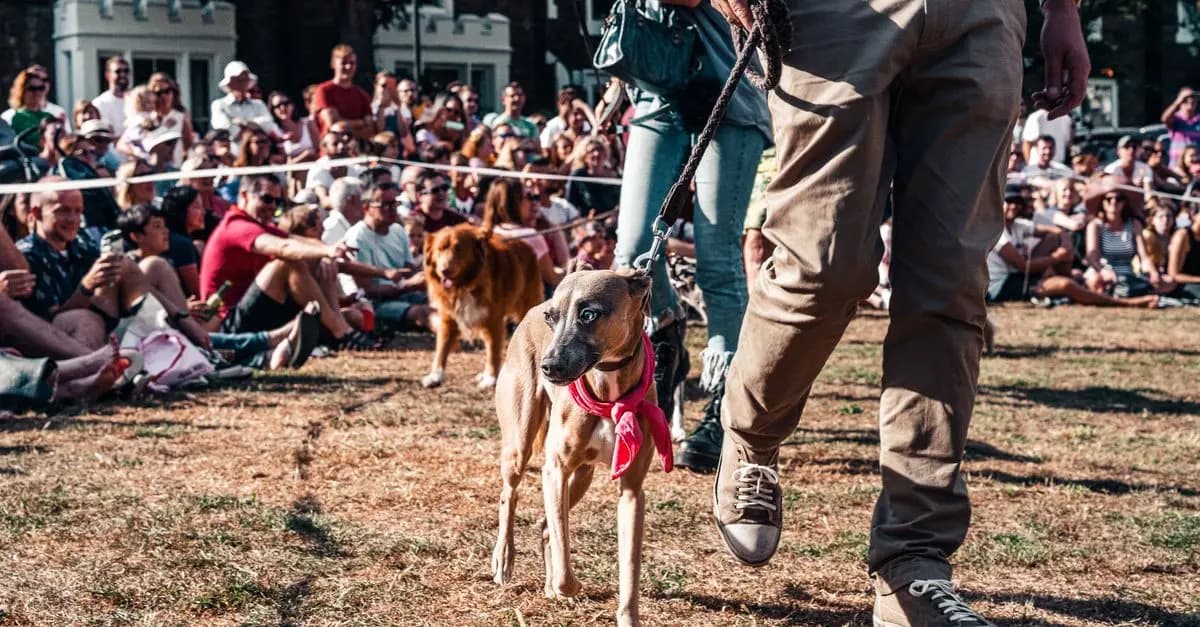
Each activity should be carefully planned and set within a schedule to maintain a steady flow throughout the event. For example, starting with a walking parade invites participants to showcase their pets, allowing for social interactions before structured activities begin. Additionally, providing clear signage will help attendees navigate the event efficiently.
4. Promote Your Event Effectively
Effective promotion is key to ensuring a successful turnout for your community pet-friendly events. Use the following strategies:
- Social Media: Leverage platforms such as Facebook, Instagram, and community forums to spread the word. Create engaging posts highlighting activities, contests, and special guests.
- Local Partnerships: Collaborate with pet stores, veterinary clinics, and animal shelters to promote the event through their networks. Many businesses have community boards where you can post flyers.
- Word of Mouth: Encourage attendees to share the event with friends and family. This organic promotion often garners excellent results.
Statistics show that events are more likely to succeed with increased visibility. The Event Marketing Institute suggests that 78% of event attendees learn about events through social media. Incorporating these strategies enhances community reach and increases participation.
5. Prepare a Checklist for Execution
Having a detailed checklist will help ensure all aspects of the event are covered adequately. Here’s a sample checklist:
- [ ] Confirm location and necessary permits
- [ ] Plan and schedule activities and contests
- [ ] Arrange for signage and layout
- [ ] Set up registration processes (if applicable)
- [ ] Confirm volunteer support and assign roles
- [ ] Gather supplies such as water bowls, waste bags, and first-aid kits
- [ ] Develop marketing materials to distribute locally
- [ ] Prepare for potential emergencies
6. Post-Event Engagement and Feedback
After the event, engage with attendees to gather feedback and assess areas for improvement. Consider sending out surveys via email or social media to gather insights. You can ask questions like:
- What did you enjoy most about the event?
- What activities would you like to see in the future?
- How can we improve your experience next time?
Utilizing feedback helps enhance future events and builds loyalty within the community. Hosting follow-up events can also keep the community engaged, creating anticipation for future gatherings. According to research by The Pet Industry Federation, events that encourage continued interaction tend to build stronger community bonds and loyalty.
7. Foster Community Connections
The success of community pet-friendly events lies in fostering ongoing relationships among participants. Consider organizing regular meetups or creating online communities where pet owners can connect. This can lead to better pet care practices and enhance the overall pet-friendly environment in your area.
📺 Resource Video
> For further insights, check out [How to Organize Community Pet Events], a comprehensive guide on engaging pet owners in your community. Search on YouTube for the keywords: community pet event organization.
🧠 Quiz rapide : What is the most common goal of community pet-friendly events?
- A) Fundraising for charities
- B) Building community connections
- C) Selling pet products
Réponse : B — Community pet-friendly events primarily focus on establishing connections among pet owners.
Checklist before starting
- [ ] Identify event goals
- [ ] Choose suitable location
- [ ] Plan engaging activities
- [ ] Promote effectively
- [ ] Prepare checklist for execution
Glossary
| Terme | Définition |
|---|---|
| Community Engagement | Activities aimed at bringing people together for a common purpose or interest. |
| Pet Welfare | The well-being and comfort of animals, pertaining to their care and humane treatment. |
| Event Logistics | The planning and execution processes that ensure an event runs smoothly, including permits, setup, and staffing. |
---
📺 Pour aller plus loin : PAWS Community Pet Event - Volunteer Orientation sur YouTube