Table of Contents (18 sections)
What is Community Engagement in a Pet Friendly Network?
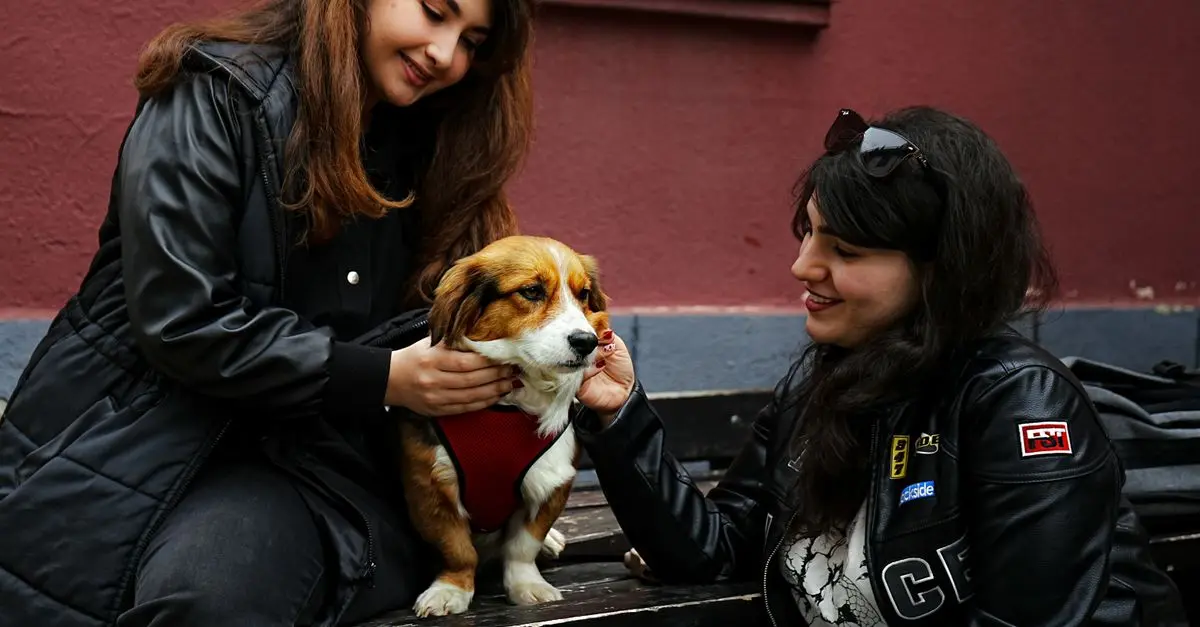
Community engagement in a pet-friendly network refers to the process by which individuals connect, participate, and collaborate in activities that include their pets. This form of engagement can foster a sense of belonging, facilitate social interactions, and enhance the overall experience for both pets and owners. According to UFC-Que Choisir, active engagement within communities leads to improved social ties and mental well-being. In a world where pet ownership is on the rise, estimated to be around 70% of households in the U.S. owning a pet as of 2026, creating a robust pet-friendly network is not just beneficial but crucial.
Engagement includes organizing events such as pet meet-ups, facilitating online forums or groups, and coordinating volunteer efforts for animal welfare. These collaborations encourage participation and make pet owners feel valued, leading to increased loyalty and community strength. Importantly, engaged communities often report having happier pets, as pets benefit greatly from socialization.
Step-by-Step Guide to Enhance Engagement
Step 1: Identify Your Community Goals
Before diving into engagement strategies, clearly define your community goals. Are you aiming to improve social interactions among pet owners, enhance local dog park facilities, or address pet-related issues in your neighborhood? Setting specific objectives will guide your activities. Consider conducting surveys within your initial community to gather insights on their preferences and needs. Doing so creates a foundation for informed decisions.
Step 2: Create Social Media Groups
Utilizing social media platforms effectively can elevate community engagement significantly. Create dedicated groups on platforms like Facebook or Instagram to share experiences, tips, and resources related to pet ownership. Encourage members to post pictures of their pets, share local events, or seek advice on training. Cultivating a space where members can engage freely encourages participation and builds camaraderie among pet owners.
Step 3: Organize Local Events
Host regular local events such as pet parades, training workshops, or adoption days. This not only fosters face-to-face interaction but also creates memorable experiences. Partner with local businesses for sponsorships, which not only helps with event funding but builds relationships. According to a study published in 60 Millions de Consommateurs, communities that engage through events have higher attendance rates, creating a ripple effect of engagement.
Step 4: Leverage Local Resources
Engage with local shelters, veterinarians, and pet stores. Form partnerships to co-host events or promote each other's initiatives. This collaboration generates a larger network of participants and often leads to new opportunities for engagement. For example, a local shelter can promote an indoor playdate for pets, which can draw in fellow pet owners who may not be part of your current community.
Step 5: Monitor and Evaluate Engagement
Tracking engagement metrics is key to understanding what works and what doesn’t. Use tools such as surveys or social media analytics to gauge participation rates and gather feedback. Adapt your strategies based on findings to keep the community dynamic and responsive to the members’ needs.


Pompeii3 5/8 ct Lab Created Diamond Angelica Vintage Engagement Ring 14k White Gold multi US 6.5 female
shop.simon.com

Pompeii3 Certified 1.75-5.75Ct Marquise Diamond Engagement Ring 14k or Platinum Lab Grown white US 7.5 female
shop.simon.com
Comparative Analysis: Effective Strategies
| Strategy | Advantages | Disadvantages | Best For |
|---|---|---|---|
| Social Media Groups | Wide reach, easy to organize | Online interaction may replace local participation | Urban areas |
| Local Events | High engagement, builds relationships | Takes time and resources to organize | All community sizes |
| Partnerships | Resource sharing, mutual support | Requires ongoing effort to maintain | Growing networks |
| Surveys & Feedback | Data-driven adjustments | Potential resistance to surveys | Communities needing evolution |
Data-Driven Insights on Community Engagement
Engagement strategies can benefit from understanding trends within the pet owner demographic. A report by the American Pet Products Association revealed that approximately 68% of millennials are pet owners, and this number continues to grow. Furthermore, pet owners tend to be willing to spend on experiences for their pets, which can reach an average of $700 annually on activities and events. This suggests opportunities for businesses and organizers to capitalize on community-based initiatives that cater to this enthusiastic segment.
Engaging pet owners in meaningful ways extends beyond mere socialization—it taps into the emotional bond people share with their pets. Communities that recognize and leverage this emotional aspect often see high engagement and loyalty. Regular interactions keep owners informed, connected, and satisfied.
Frequently Asked Questions
Q1: What are the benefits of community engagement for pet owners?
A1: Community engagement fosters a supportive network for pet owners, providing access to resources, information sharing, and socialization opportunities for pets.
Q2: How can I start a pet-friendly group in my area?
A2: Begin by establishing a clear purpose for your group, utilize social media to gather interested individuals, and plan initial meet-ups to build interest.
Q3: What types of events can I organize?
A3: Popular events include pet-adoption days, training workshops, fun runs for pets, and themed gatherings like Halloween costume contests.
Q4: How do I measure the success of my engagement efforts?
A4: Tracking participation rates, event attendance, feedback from members, and engagement on social media platforms can provide insight into the effectiveness of your strategies.
Glossary
| Term | Definition |
|---|---|
| Community Engagement | The process of building relationships among participants to work together toward common goals. |
| Pet-Friendly Network | A community wherein pet owners can share resources, experiences, and foster socialization for pets and their owners. |
| Local Resources | Support systems available in the community, including businesses, shelters, and healthcare providers for pets. |

Angara.com Angara 1.48 CTW Classic Cushion Blue Sapphire and Trapezoid Diamond Three Stone Engagement Ring in 14K White Gold
angara.com

Angara.com Angara 0.81 CTW Nature Inspired Blue Sapphire & Diamond Twisted Vine Engagement Ring in 14K White Gold
angara.com

Angara.com Angara 2.14 CTW Round Lab-Grown Diamond Engagement Ring with Marquise Motifs in 18K Rose Gold
angara.com
Checklist for Effective Engagement
- [ ] Identify community goals
- [ ] Create social media groups
- [ ] Organize local events
- [ ] Leverage local resources
- [ ] Monitor and evaluate engagement
Resources for Further Learning
> 📺 For further insight into fostering community engagement, *search YouTube for
Recommended products
Selected by our experts
Pompeii3 5/8 ct Lab Created Diamond Angelica Vintage Engagement Ring 14k White Gold multi US 6.5 female
shop.simon.com
Pompeii3 Certified 1.75-5.75Ct Marquise Diamond Engagement Ring 14k or Platinum Lab Grown white US 7.5 female
shop.simon.com
Angara.com Angara 1.48 CTW Classic Cushion Blue Sapphire and Trapezoid Diamond Three Stone Engagement Ring in 14K White Gold
angara.com
Angara.com Angara 0.81 CTW Nature Inspired Blue Sapphire & Diamond Twisted Vine Engagement Ring in 14K White Gold
angara.com
Angara.com Angara 2.14 CTW Round Lab-Grown Diamond Engagement Ring with Marquise Motifs in 18K Rose Gold
angara.com