Table of Contents (11 sections)
Creating a pet-friendly network can significantly enhance the community spirit while providing a safe, enjoyable space for pet lovers. This step-by-step guide outlines practical methods to foster such a network, starting from understanding the importance of inclusivity to effectively implementing your ideas.
Understanding the Importance of a Pet-Friendly Network
A pet-friendly network is not just about allowing pets in community spaces; it signifies an understanding and appreciation of the unique bond that people share with their pets. Studies show that communities with welcoming environments for pets encourage better social interactions among residents. According to research by the American Kennel Club, neighborhoods that feature dog parks see a 25% increase in social interactions among residents. This brings about a sense of community, improving mental health and well-being, particularly among those facing loneliness. Furthermore, fostering a network also reduces the stigma surrounding pets in public areas, as these events promote responsible pet ownership and educate others about the benefits of companionship.
Step 1: Identify Key Stakeholders
Before developing a pet-friendly network, it’s crucial to identify the key stakeholders in your community. This could be local pet owners, pet care businesses, veterinarians, and animal shelters. Start by reaching out to these groups through meetings or online surveys. Ask them questions regarding their preferences, such as what activities they would like to see or barriers they face when engaging with their pets in community spaces. This engagement not only fosters a sense of inclusion but helps you tailor your initiatives according to actual community needs. For instance, an informal gathering over coffee can bring together different pet owners who can share their views. Make sure to document their insights, as this information will shape your future actions effectively.

Grandstream Networks GWN7660ELR point d'accès réseaux locaux sans fil Blanc
Topbiz FR

Grandstream Networks GWN7670 point d'accès réseaux locaux sans fil 2882 Mbit/s Connexion Ethernet, supportant l'alimentation via
Topbiz FR

Step 2: Create Safe and Inclusive Spaces
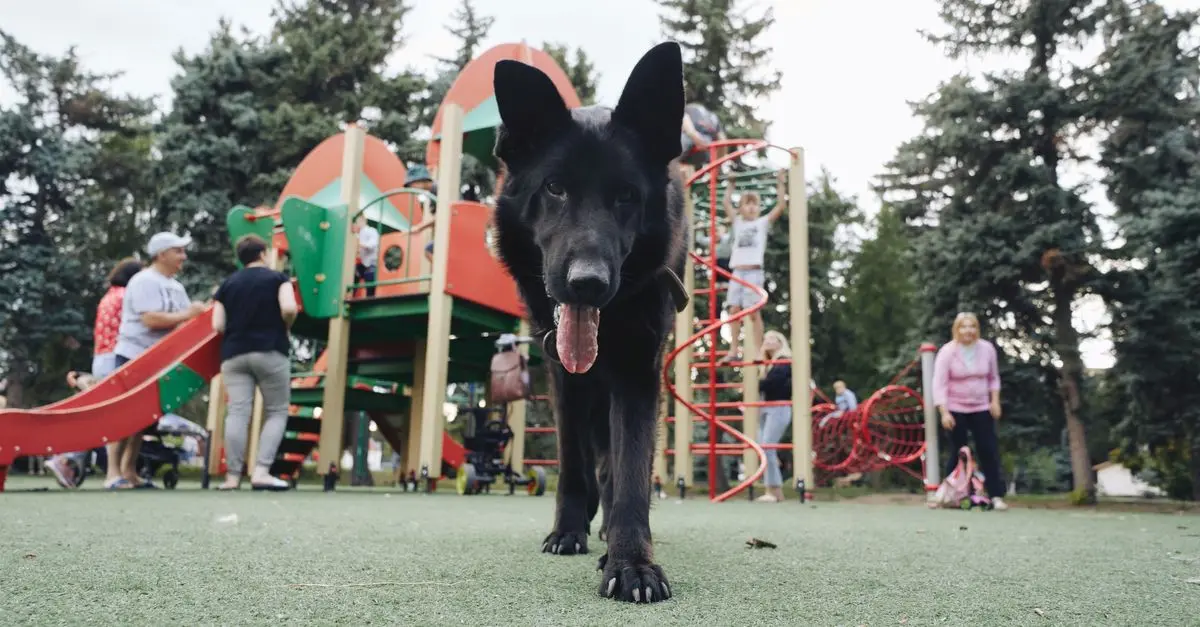
Developing spaces where pets and their owners can safely interact is critical. Start by collaborating with local authorities to create guidelines for pet ownership in public areas. This might include implementing a leash policy or designated pet zones in parks. You could turn under-utilized areas into pet parks, complete with agility equipment, benches, and pet waste stations. The Pawtucket Parks and Recreation Department advocates this approach and reports increased pet-friendly partnerships with businesses once a designated pet area was established.
Enhancing existing areas with pet-friendly facilities, such as dog water fountains or pet waste disposal bags stations, makes it easier for pet owners to enjoy time outdoors. Also, ensuring that these facilities are handicap accessible promotes inclusivity and accommodates everyone in your community.
Step 3: Plan Engaging Community Events
Now, it's time to plan events that encourage participation from both pet owners and non-pet owners alike. Organizing events like pet shows, training workshops, or wellness clinics can attract a broad audience. According to the National Recreation and Park Association, events that include pets can see participation rates rise by 30% compared to those that do not.
When planning these activities, be inclusive of various pet types. For instance, host a “Pet and Owner Fun Run” inviting all kinds of pets and their owners. Offer booths from local businesses showcasing their pet-related services, which could spark valuable community interactions. Ensure that non-pet owners are invited and engaged in activities, such as pet-themed trivia or art contests, to promote inclusivity.
Step 4: Leverage Digital Platforms for Awareness
In our increasingly digital world, utilize social media or a dedicated community forum to foster connections and inform residents about upcoming events. Create a unique online presence by sharing success stories, pet care tips, and event summaries. Encourage community members to post pictures of their pets enjoying the spaces you’ve developed. Utilize platforms like Facebook or Instagram to create community groups where pet owners can share experiences and partner with local businesses. According to Statista, 51% of users report that they engage more with communities on social media platforms, highlighting this as an effective way to maintain engagement.
Step 5: Measure and Adjust Based on Feedback
Once you have established your pet-friendly network, measuring its success through feedback is essential. Regularly distribute surveys to community members to gauge their satisfaction and gather new ideas. You can implement tools like Google Forms to make this process easy. Create a feedback loop by updating the community on adjustments made from their suggestions, which helps maintain their loyalty and involvement. For instance, if many residents indicate that more play equipment is needed in pet parks, prioritize these improvements in your budget and planning. Constant evaluation can help address issues proactively and keep the network vibrant and inclusive.
Checklist before Implementation
- [ ] Identify stakeholders and invite them to share their views.
- [ ] Secure permissions for developing safe pet-friendly spaces.
- [ ] Plan community events ensuring inclusivity for all.
- [ ] Promote events through effective digital marketing strategies.
- [ ] Collect ongoing feedback to adapt community initiatives.
Glossary
| Term | Definition |
|---|---|
| Pet-Friendly Network | A community or social network that accommodates pets to promote inclusivity. |
| Inclusivity | The practice of providing equal access and opportunities to individuals regardless of their backgrounds. |
| Community Engagement | The process where community members actively participate in beneficial initiatives. |
📺 Resource Video
> 📺 For further insights: How to Build a Pet-Friendly Community, a detailed overview of developing inclusive networks. Search YouTube for: creating a pet-friendly community 2026.
Conclusion
Fostering a welcoming pet-friendly network requires commitment, community engagement, and an ongoing evaluation of results. By following these steps, you can create an inclusive environment that celebrates the love for pets while benefiting your community as a whole.
As you embark on this journey, remember that patience and adaptability are crucial. Start small, celebrate the successes, and gradually implement larger changes for your pet-friendly network.
If you're looking for tools to help you get started, check out our recommended products below!
📺 Pour aller plus loin : creating a pet-friendly community 2026 sur YouTube
Recommended products
Selected by our experts
Grandstream Networks GWN7660ELR point d'accès réseaux locaux sans fil Blanc
Topbiz FR
Essential for ensuring strong internet connectivity in pet-friendly areas, enhancing digital engagement for events and promotions.
Grandstream Networks GWN7670 point d'accès réseaux locaux sans fil 2882 Mbit/s Connexion Ethernet, supportant l'alimentation via
Topbiz FR
A reliable access point that supports multiple devices, suitable for community events where many pet owners gather.
Tena Fix*Slip Network Xs 5Pcs
DocMorris FR (ex DoctiPharma FR)
Useful for community wellness events; these products aid in hygiene for pets, ensuring a clean environment.