Table of Contents (15 sections)
Creating a pet-friendly community space is essential for fostering a vibrant community where pets and their owners can thrive together. With pet ownership on the rise, especially as more people adopted pets during the pandemic, the need for inclusive spaces has never been greater. According to recent studies, over 70% of U.S. households own a pet, which speaks volumes about the demand for pet-friendly environments. This guide will provide a comprehensive, step-by-step approach to designing and implementing such a space in your community, ensuring it's welcoming for both pets and their human companions.
Step 1: Assess Community Needs
The first step in creating a pet-friendly community space is to understand the specific needs and desires of your community members. Conduct surveys or hold community meetings to gather input from local pet owners. Questions to consider include:
- What types of pets are most common in the area?
- What amenities do pet owners look for in a community space?
- Are there safety concerns regarding pets and non-pet owners?
Collecting this information will guide your planning process and help ensure your space meets the needs of its users. For example, if the community has a significant number of dog owners, prioritize features like dog parks or training areas.
Step 2: Choose the Right Location
Selecting an appropriate location is critical for the success of a pet-friendly community space. Look for areas that have natural landscapes like parks or green spaces which not only provide a pleasant environment but can also mitigate cleanup and maintenance issues. Consider visibility and accessibility as well; locations near walking trails or residential areas will likely garner more usage. Check local zoning laws or regulations to make sure the site you choose is viable for developing into a community space.
Location Features to Consider:
- Accessibility: Ensure it is easy to reach for both pedestrians and vehicles.
- Size: There should be ample space for various activities, from play areas to rest zones.
- Safety: Ensure the area is enclosed or has controlled access to keep pets secure.
Step 3: Design the Space Thoughtfully
Once a location has been secured, it's time to focus on the design of the pet-friendly community space. Collaborate with landscape architects or community planners to incorporate key features that cater to both pets and their owners. Here are some design elements to include:
- Open play areas: These should be designated for pets to run freely. Use durable, pet-friendly materials for any ground cover.
- Water stations: Install accessible water fountains where pets can drink safely.
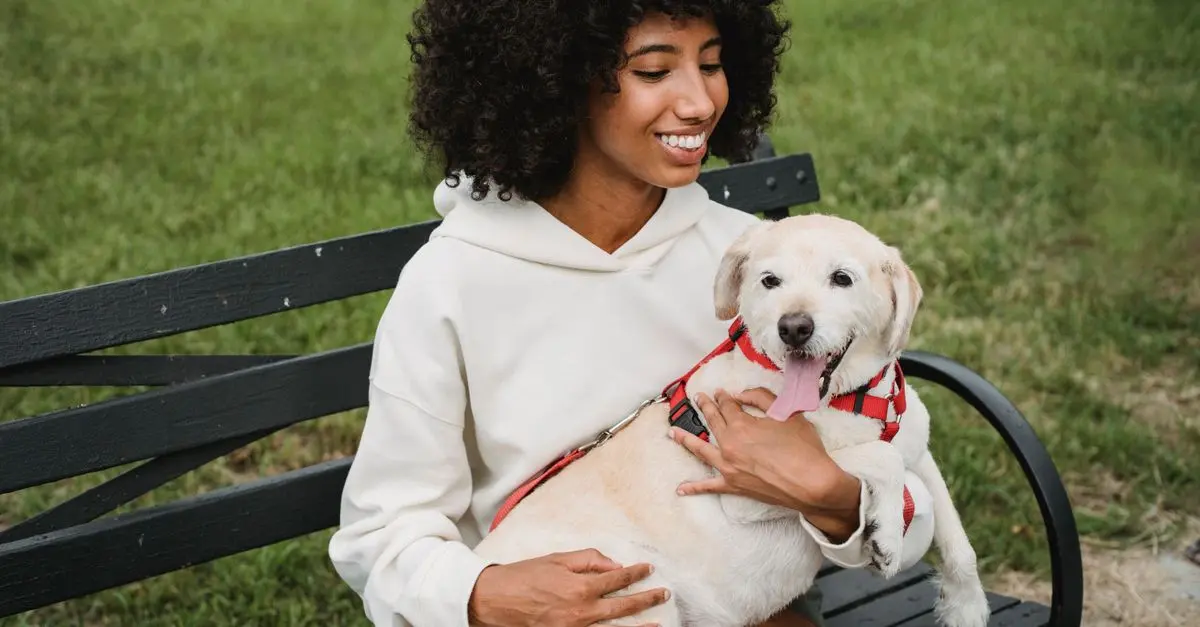
- Seating areas: Provide benches and shaded spots for pet owners to relax while their pets play.
- Waste disposal stations: Equip the area with disposal bags and trash bins to maintain cleanliness.
Step 4: Create Rules and Regulations
To ensure the space is enjoyable for everyone, establishing clear rules and regulations is vital. Create guidelines that promote safety and consideration among pet owners. These could include:
- All pets must be leashed unless in designated off-leash zones.
- Owners must clean up after their pets.
- No aggressive dogs are allowed.
Communicate these rules effectively through signage and community meetings. Additionally, consider implementing a registration system for pet owners who wish to utilize the space regularly, ensuring they agree to follow the guidelines established.
Step 5: Promote Inclusivity and Education
In order for your pet-friendly community space to serve its purpose effectively, it’s important to foster inclusivity and education amongst community members. Host events like pet training workshops, pet adoption days, or health education seminars on responsible pet ownership. This not only educates pet owners but also engages the broader community in understanding and appreciating the importance of pets in their lives.
Tips for Effective Promotion:
- Use social media platforms to share events and updates about the community space.
- Partner with local pet businesses or veterinarians to reach a wider audience and provide additional resources.
- Encourage community feedback regularly to keep the space relevant and well-maintained.
Step 6: Monitor and Maintain the Space
After the pet-friendly community space is established, ongoing maintenance is key to its success. Regularly assess the condition of facilities, ensuring the area remains clean and safe for pets and owners alike. Create a community maintenance group, or schedule regular clean-up days with volunteers. Engaging the community in the upkeep fosters a sense of ownership and pride in the space.
Maintenance Checklist:
- Inspect and repair any damaged equipment.
- Refill waste disposal bags and maintain trash bins.
- Schedule regular landscaping and cleaning undertakings.
Checklist before Implementation
- [ ] Conduct community surveys to understand needs.
- [ ] Secure an ideal location for the space.
- [ ] Finalize design elements with community input.
- [ ] Create rules and ensure they are communicated effectively.
- [ ] Engage local organizations for events and maintenance.
🧠 Quiz rapide :
> What is the most critical feature of a pet-friendly community space?
> - A) Quantity of play areas
> - B) Accessibility
> - C) Rules and regulations
> Réponse : B — Accessibility is vital for ensuring all community members can easily use and enjoy the space.
Conclusion
Creating a pet-friendly community space not only enhances the quality of life for pets and their owners but fosters community spirit and friendships. By diligently following these steps, engaging local pet owners, and ensuring continuous improvement and maintenance, your community can enjoy a vibrant gathering place that symbolizes inclusivity and love for pets. Let's build a space that celebrates our furry friends together!
Glossary
| Terme | Définition |
|---|---|
| Pet-Friendly | A space where pets are allowed and catered to with facilities and amenities. |
| Community Engagement | The process of involving community members in decision-making and action for the community's benefit. |
| Design Amenities | Features of a space that enhance user experience and functionality, such as benches or water stations. |
📺 Resource Video
> 📺 For further insights: Pet-friendly community designs in action, a comprehensive analysis of creating inviting spaces for pets. Search on YouTube: pet-friendly community space design 2026.
📺 Pour aller plus loin : pet-friendly community space design 2026 sur YouTube