Table of Contents (17 sections)
Understanding Long-Haired Pet Grooming
Grooming long-haired pets involves more than just aesthetic appeal. It's crucial for maintaining skin health, preventing mats, and enhancing your pet's comfort. Pets such as Persian cats or Afghan Hounds have unique grooming needs that, if neglected, may lead to issues like skin infections or matting which can cause discomfort and health problems. Regular grooming helps in preventing such issues and ensures a shiny, healthy coat. According to the American Kennel Club, regular grooming sessions should be scheduled at least every 4-6 weeks. This frequency aids in early detection of any skin conditions, thus promoting better overall health.
Step-by-Step Grooming Guide
1. Preparation
Start by gathering all necessary tools such as a pin brush, slicker brush, and comb. Ensure your pet is calm; offering treats can help. It's crucial to check for any knots or areas where matting may occur before you start.
2. Brushing
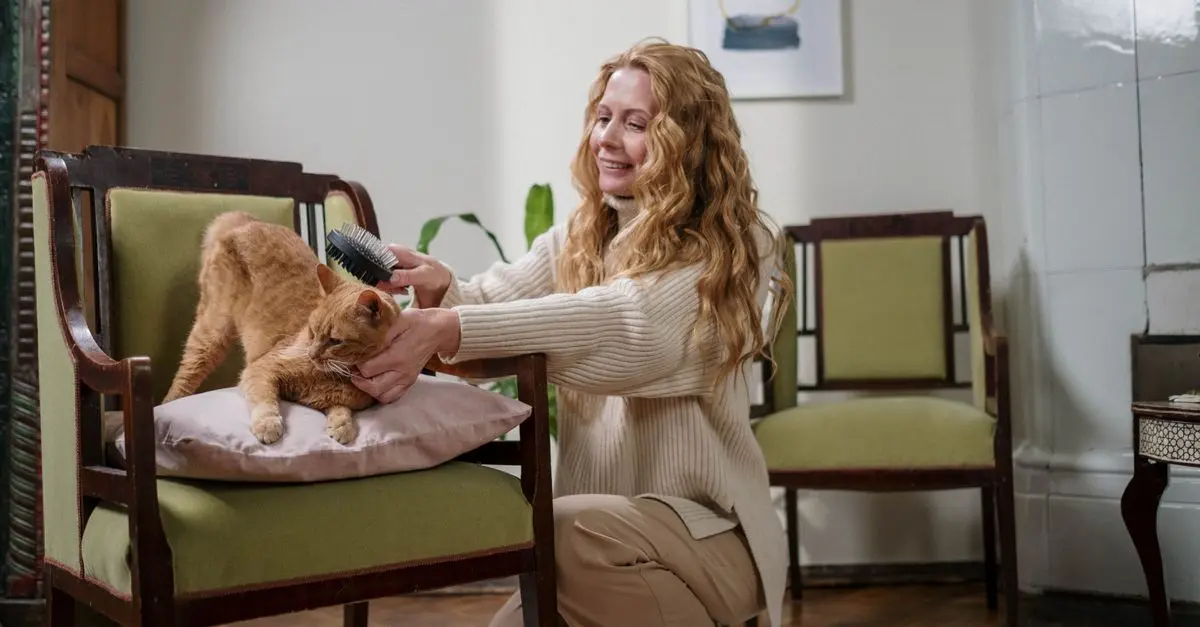
Daily brushing is key to preventing mats for long-haired pets. Use a pin brush to gently remove loose hairs and a slicker brush for more stubborn areas. Remember not to pull harshly as this can hurt your pet.
3. Bathing
Long-haired pets need baths every 6-8 weeks. Use pet-specific shampoo to avoid skin irritations. Be thorough in rinsing as leftover products can cause skin issues.
4. Drying
Proper drying is essential. Use a towel to remove excess water followed by a pet-safe dryer on a low heat setting to prevent overheating.
5. Trimming
Regular trimming of hair around the face, paws, and sanitary areas is important. Use grooming scissors cautiously. If unsure, seek professional grooming services.
6. Nail Care
Check your pet's nails regularly. Trim them every 3-4 weeks with pet nail clippers to avoid overgrowth that can cause pain when walking.
7. Finishing Touches
Use a comb to finish off, ensuring all areas are mat-free. Apply a pet-safe finishing spray for gloss. Always end your session positively with a treat or playtime.
Tools and Products Comparison
| Tool/Product | Usage | Pros | Cons | Best For |
|---|---|---|---|---|
| Pin Brush | Removing loose hairs | Gentle, effective | May not reach deep mats | Daily brushing |
| Slicker Brush | Removing mats | Good for tangles | Can cause scratching if used aggressively | Weekly maintenance |
| Pet Shampoo | Bathing | Cleans effectively | Some brands may irritate | Sensitive skin |
| Grooming Scissors | Trimming fur | Precision trimming | Requires skill | Face and sanitary areas |
Statistics on Grooming Needs
According to a 2024 survey by the American Pet Products Association, 62% of pet owners with long-haired breeds reported an improvement in pet health after adhering to a regular grooming schedule. Moreover, these owners noticed a 45% decrease in visits to the veterinarian for skin-related issues.
📺 Resource Video
> 📺 For further reference: Comprehensive Guide to Grooming Long-Haired Pets, watch on YouTube by searching for: grooming tips long-haired pets tutorial.
Frequently Asked Questions
- How often should I groom my long-haired pet?
- Grooming should be a daily routine for brushing and every 6-8 weeks for a bath.
- What tools are essential for grooming?
- A pin brush, slicker brush, grooming scissors, and pet-safe shampoo are essential.
- Can I trim my pet's hair at home?
- Yes, but ensure you have the right tools and know the basics to prevent accidents.
- What should I do if I find a mat on my pet's coat?
- Use a slicker brush gently, and if it's tough to remove, seek professional advice.
Glossary
| Term | Definition |
|---|---|
| Matting | The formation of tangled and dense hair clusters. |
| Pin Brush | A type of brush used for gentle, everyday grooming. |
| Slicker Brush | A brush with fine wires, used to remove tough tangles and mats. |
Checklist for Grooming
- [ ] Gather all grooming tools.
- [ ] Ensure pet is calm and comfortable.
- [ ] Regularly brush your pet's coat.
- [ ] Schedule baths every 6-8 weeks.
- [ ] Trim nails and problematic fur areas.
🧠 Quiz rapide : What is the recommended frequency for bathing long-haired pets?
- A) Every 2-3 weeks
- B) Every 6-8 weeks
- C) Every 3-4 months
Réponse : B — This frequency helps maintain a healthy coat while preventing skin issues.
Call To Action
Ready to give your long-haired pet the grooming they deserve? Share your experiences and tips in the comments below!