Table of Contents (13 sections)
- What is a Pet-Friendly Network?
- Define Clear Pet Policies
- Build Strong Community Relationships
- Utilize Social Media Platforms
- Organize Local Events
- Create Resources for Pet Owners
- Encourage Responsible Pet Ownership
- Foster Inclusivity and Accessibility
- Leverage Testimonials and Success Stories
- Measure and Adapt Your Approach
What is a Pet-Friendly Network?
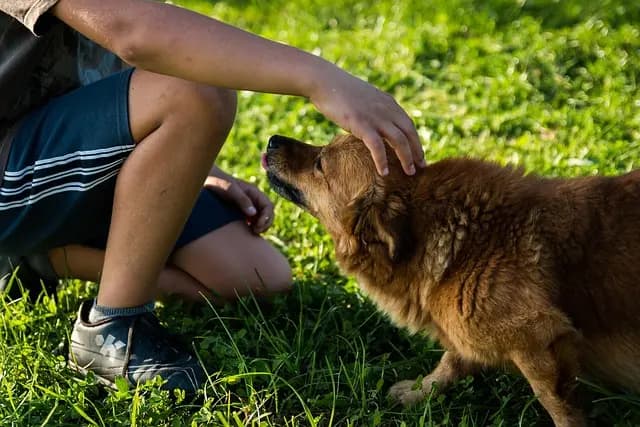
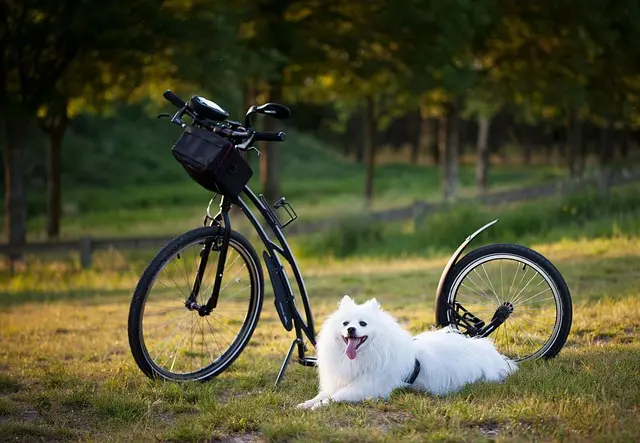
Creating a pet-friendly network is about fostering an inclusive community that welcomes pets and their owners. This environment can significantly enhance social interactions, improve mental well-being, and create a sense of belonging. Moreover, pet-friendly networks can help reduce feelings of isolation among pet owners by encouraging engagement and collaboration within the community. The benefits are mutual; pets contribute to healthier environments and happier residents. According to a survey by the American Society for the Prevention of Cruelty to Animals (ASPCA), 67% of households in the U.S. own a pet, underlining the importance of accommodating these companions in community planning and social structures.
Define Clear Pet Policies
Having clear and effective pet policies is crucial in creating a successful pet-friendly network. Start by determining the types of pets allowed in shared spaces, leash laws, and waste disposal rules. For example, in shared parks or community gardens, having designated ‘pet zones’ can help pet owners feel comfortable while non-pet owners can also enjoy the spaces without disturbances. Effective communication about these rules can be disseminated through newsletters or community meetings to ensure all residents understand and respect these policies. Establishing these guidelines helps prevent misunderstandings and promotes a safe environment for everyone.
Build Strong Community Relationships
Building relationships among community members is essential in creating a pet-friendly atmosphere. Engage with your community through platforms like organized meet-and-greets or local pet owner networks. You might host regular community gatherings where pet owners can bring their pets, share stories, and enjoy activities. For instance, a neighborhood barbecue where everyone can show off their pets can stimulate discussions and foster camaraderie. According to the National Recreation and Park Association, communities that foster social interactions see a 20% increase in overall happiness among residents.
Utilize Social Media Platforms
Social media is a powerful tool for creating and maintaining a pet-friendly network. Platforms like Facebook, Instagram, and Twitter can be used to share events, pet care tips, and personal stories that highlight the joys of pet ownership. Starting a community group focused on pets can also facilitate discussions among pet owners about resources, pet-friendly businesses, and lost pets. Engagement through social media can enhance community spirit and keep residents informed, making it easier for them to participate in ongoing discussions.
Organize Local Events
Nothing brings a community together quite like fun events! Organizing local events, such as dog walking groups, pet costume contests, or charity pet wash days, can foster a strong pet-friendly network. These events can serve as excellent networking opportunities for pet owners and also invite those without pets to join in and socialize, thereby increasing inclusivity. Statistics show that communities that host regular events enjoy a 30% increase in neighborly interactions, leading to a stronger sense of community.
Create Resources for Pet Owners
Creating accessible resources can enhance the experience for pet owners in your network. Consider compiling a guide to local pet-friendly businesses, parks, and services, which can help pet owners find everything they need. Providing information about pet care, training, and local veterinarians can also aid in responsible pet ownership. Regularly updating these resources can keep the community active and engaged while teaching new pet owners about best practices.
Encourage Responsible Pet Ownership
Encouraging responsible pet ownership should be a priority in your pet-friendly network. Educate pet owners about the importance of spay/neuter programs, vaccination, and proper training for their pets. Hosting seminars or workshops led by local veterinarians or trainers can serve as valuable educational tools. For example, the Humane Society often provides resources and support that can be leveraged to promote responsible pet ownership. Communities that prioritize education see healthier pets and happier owners, ultimately fostering a better environment for everyone involved.
Foster Inclusivity and Accessibility
A truly pet-friendly network is one that is inclusive of all community members, regardless of their living situation or lifestyle. This can include making adjustments in property rules to allow pets, designing pet-friendly public spaces, and ensuring accessibility for pet owners with disabilities. Regular surveys to gather feedback from community members on how to improve pet-friendliness can foster an open dialogue and help address any concerns adequately.
Leverage Testimonials and Success Stories
Sharing testimonials and success stories from pet owners in your community can motivate others to engage with the network. Highlighting personal stories — such as how a pet helped a person cope with loneliness — can humanize the pet owner experience and encourage a deeper connection among members. Success stories can be shared through newsletters, social media, or dedicated community bulletin boards, showcasing the benefits of joining and participating in the pet-friendly network.
Measure and Adapt Your Approach
Finally, continuously assessing your pet-friendly network's effectiveness is essential. Gather feedback from community members through surveys or informal conversations to understand what works and what doesn’t. This data can help you adapt your approach over time, ensuring that your strategies resonate with the community. For example, if a certain type of event garners significantly more interest than others, consider featuring similar activities more frequently.
Checklist before Launching Your Pet-Friendly Network
- [ ] Define clear pet policies
- [ ] Build community relationships
- [ ] Create a social media platform
- [ ] Organize local events
- [ ] Develop resource guides for pet owners
- [ ] Promote responsible pet ownership
- [ ] Ensure inclusivity and accessibility
- [ ] Share testimonials and success stories
- [ ] Measure and adapt strategies
Glossary
| Terme | Définition |
|---|---|
| Pet-Friendly | Environments, policies, or practices that accommodate pets and their owners, ensuring comfort and safety for both animals and humans. |
| Community Engagement | The practice of involving residents in activities and decision-making processes that affect their community, fostering a sense of belonging and interaction. |
| Responsible Pet Ownership | The commitment of pet owners to provide proper care, training, and socialization for their pets while also considering the impact of their animals on the community. |
> 📺 For further insights: Learn best practices for nurturing a pet-friendly community, a thorough exploration of pet-friendly initiatives. Search YouTube for: "creating a pet-friendly network 2026".
🧠 Quick Quiz: What is the key benefit of creating a pet-friendly network?
- A) Increases property values
- B) Enhances community bonding
- C) Reduces pet ownership costs
Answer: B — Community bonding is significantly enhanced through interactions facilitated in a pet-friendly environment.
📺 Pour aller plus loin : If I Started a YouTube Channel in 2026, I'd Do This sur YouTube